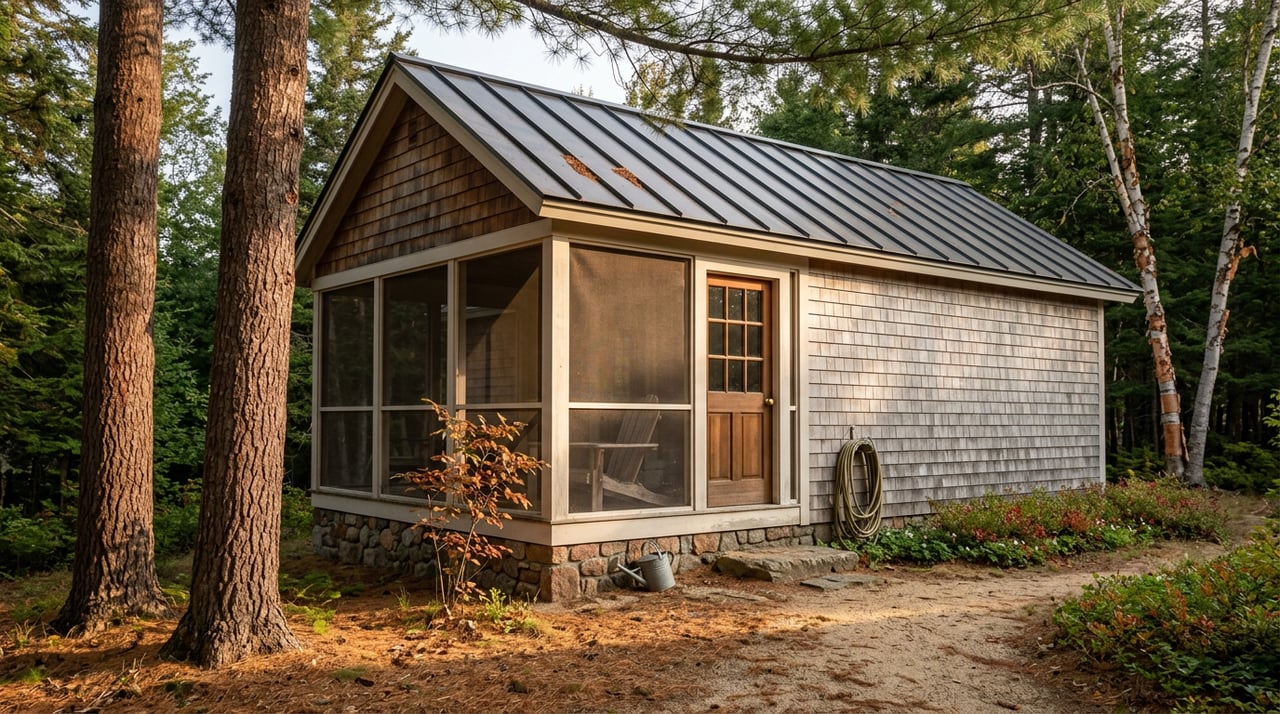
What Your Money Actually Buys on Lakewood Lane
Pull up the Marquette market summary and you get a tidy number. Median list price around $429,000 as of July 2026, median days on market at 45. Look at Lakewood Lane specifically and that number falls apart. Active listings on the same road this summer range from cottages under $200,000 to Lake Superior estates north of $1,000,000. The median tells you nothing.
The reason is simple, and it is the one thing the portals cannot show you: on Lakewood Lane, the road itself is the pricing variable. Which side you are on, how you reach the water, and whether the 1961 cottage on the parcel was ever rebuilt will move the price by a factor of five before square footage or bedroom count enter the conversation.
Lakewood Lane runs roughly parallel to Lake Superior east of downtown Marquette, curving through Chocolay Township. The Iron Ore Heritage Trail continues southeast along the waterfront to reach its eastern end at Kawbawgam Road in Chocolay Township, and for most of its final miles it hugs the south shoulder of Lakewood Lane. That single fact splits the street into two very different real estate submarkets.
North side parcels sit between the road and the lake. Some hold deeded beach frontage measured in hundreds of feet. Others hold a footpath easement to the sand. A few hold neither and simply look at the water through a neighbor's pines.
South side parcels sit between the road and the woods. The trail typically runs across the front of the lot or immediately behind it. Buyers on this side trade a lake view for direct trail access, deeper lot sizes, and a price that can be less than half of the comparable lake-side parcel.
A buyer who reads the road as a single neighborhood ends up comparing homes that are not really competing for the same dollar.
The listings blur the language. "Lake access," "beach rights," "path to the beach," and "private frontage" all appear on Lakewood Lane properties, and they are not synonymous. This is the friction that surprises out-of-town buyers.
Three patterns show up in the deed language on this stretch:
The functional difference at the water is small on a warm July afternoon. The financial difference at resale, insurance underwriting, and future rebuild permitting is not. If your offer is going to compete against a cash buyer for a lake-side parcel, ask for the legal description before you ask for the disclosure.
Public records for the street show an average build year around 1961 across roughly 300 parcels. That average matters more than it sounds. A large share of Lakewood Lane's housing stock is legacy summer camps built by Marquette families in the 1950s and 60s, some updated in stages, some not.
You will see this in the price spread on comps within a quarter mile of each other:
The buyer decision on this street is rarely "which house." It is "which basis." Are you buying the land and planning to rebuild in five years, or are you buying a finished home you intend to move into this fall? Both trades exist on the same road, and they carry very different inspection risk.
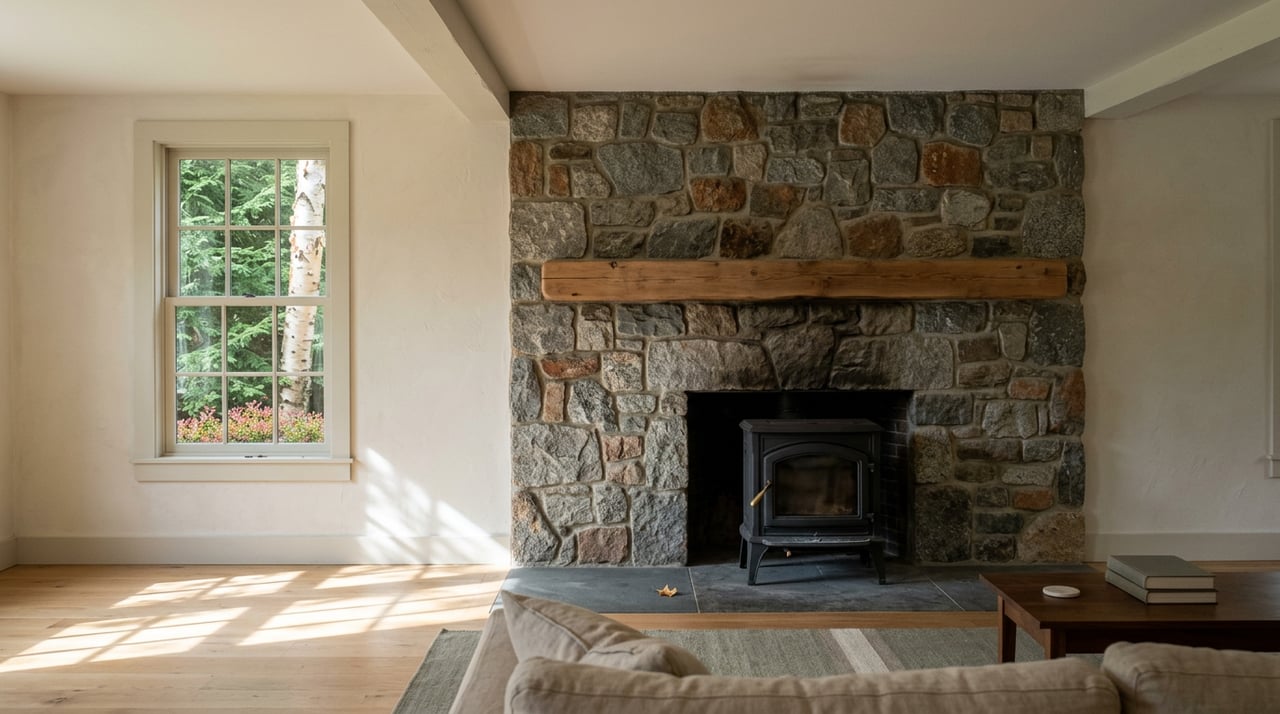
Older UP camps commonly carry wood-stove heat as primary or secondary, drilled wells, and septic fields sized for seasonal use. A 1960s cottage converted to full-time occupancy without upgrading the drainfield is not a paperwork problem. It is a capital expense that should shape your offer number.
The wider Marquette market is not doing what the raw median suggests. The average Marquette home value is $280,599, up 4.0% over the past year per Zillow's index, while the median listing price in Marquette County was $421,272 in April 2026 according to FRED's Realtor.com series. The gap between those two numbers is where Lakewood Lane lives. The ZHVI is dragged down by the volume of older, smaller cottages on and around this corridor. The listing median is pulled up by the newer lake-side rebuilds.
Forward-looking forecasts sit on top of that. Escanaba and Marquette are showing significant strength, and what's observed here is the permanent shift caused by remote work — people who love the outdoors, who want proximity to Lake Superior, and who no longer need to commute to the office are choosing the UP, with Marquette projected at 4.2% appreciation into 2026 per Norada's Michigan outlook. That demand does not spread evenly across the street. It concentrates on the north side.
A practical read for a buyer this year: the trail-side cottage market on Lakewood Lane is closer to normal Marquette conditions and negotiable on price. The lake-side market behaves like a separate asset class, competing with waterfront listings 20 miles in either direction, and the appreciation forecasts apply to it more directly than to the rest of the road.
The Iron Ore Heritage Trail is not a background amenity here. It is infrastructure that touches most south-side parcels directly. The trail traverses 47.8 miles across the Marquette Iron Range, and was designated a National Recreation Trail in 2018, per TrailLink. It is operated by the Iron Ore Heritage Trail Recreation Authority, a free-standing unit of local government that collects a property tax to support the trail. That millage shows up on your Chocolay Township tax bill whether you use the trail or not.
Two things are worth knowing before you write an offer on a south-side parcel:
On the lake side, the NOAA marine forecast literally names this stretch. Its Marquette County zone forecast covers "the beaches of Picnic Rocks, McCarty Cove, and along Lakewood Lane", published via the National Weather Service. If you are underwriting a lake-side purchase, the swim risk and wave height posted for that zone are your operational forecast, not the airport summary.
How wide is the price band on Lakewood Lane right now? Active and recently pending listings this summer run from cottage-grade properties in the low $200,000s to lake-side homes above $1M. A well-kept trail-side home in the mid-$400,000s is a reasonable current benchmark, seen in the 276 Lakewood Lane listing at $449,000 with a July 28, 2026 offer review deadline.
Is the lake side worth double? It depends on what kind of frontage the deed conveys and how the home was built. Rebuilt homes with legally owned Lake Superior frontage compete against waterfront comps county-wide. A north-side home with only a path easement is worth a premium over the trail side, but not the same premium as owned frontage.
Are older cottages on this road usable year-round? Some are, some are not. The determining factors are insulation, heat source, water line depth, and septic design. A pre-offer conversation with a UP-based inspector about winter systems is worth more than a comparative market analysis on this street.
If you are weighing a Lakewood Lane property this year and want the deed language, tax history, and inspection expectations decoded before you write an offer, reach out to Team Erin Wasik. We will read the road with you, not just the listing.

Whether you're buying, selling, or investing, Team Erin Wasik provides personalized guidance backed by local expertise and modern marketing. We take a strategic, client-first approach to ensure every decision supports your long-term goals. Let's create a successful real estate experience together.

2854 Venture Dr, Marquette, MI 49855