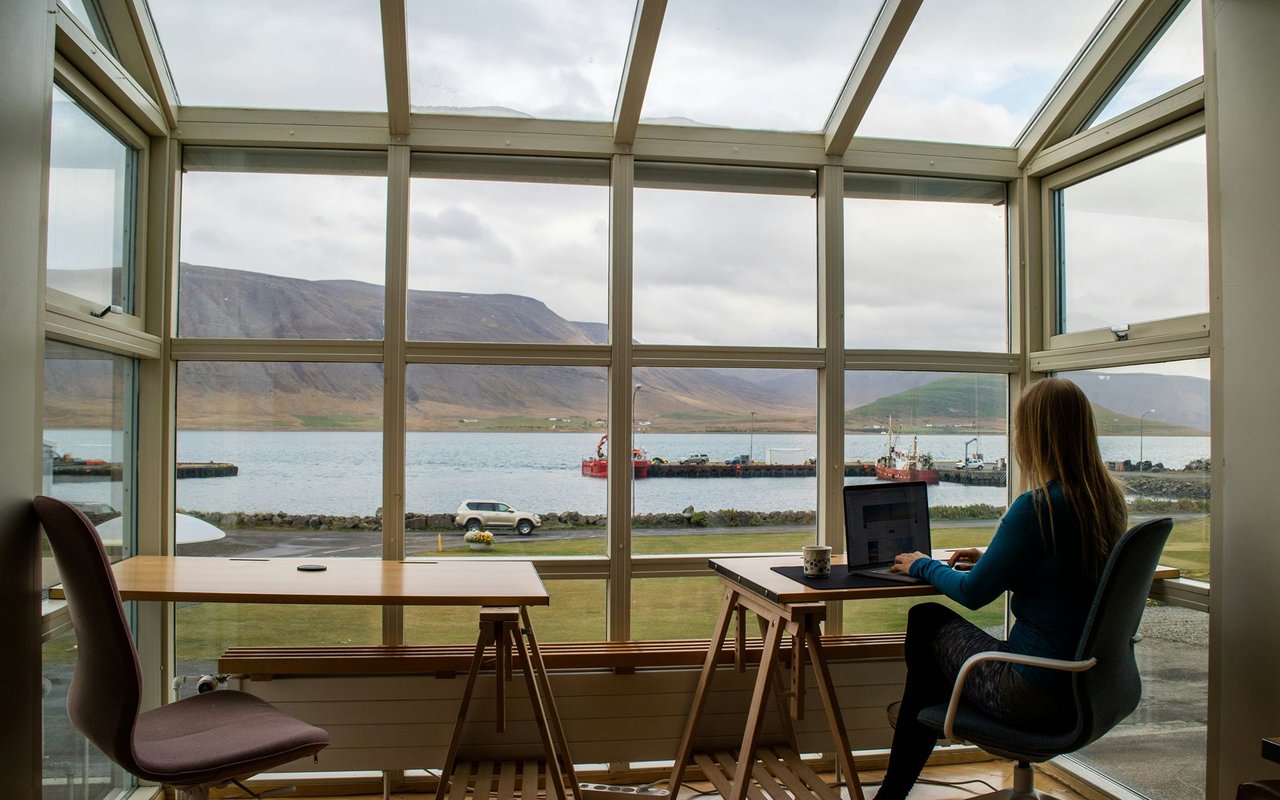
How Remote Work is Reshaping Real Estate Demand Across Michigan’s Upper Peninsula
Remote work didn’t just change how people do their jobs. It changed where they’re willing to live. And for Michigan’s Upper Peninsula, that shift has been significant.
For decades, the U.P. was considered a tough sell for buyers with careers tied to urban centers. The distance from major cities, the winters, the limited infrastructure — these were real barriers. Remote work removed the biggest one. When your office is your laptop, a home on a quiet street in Marquette or a property with acreage outside Ishpeming starts to look a lot more attractive than a condo near a downtown commuter line.
That demand is real, and it’s reshaping the U.P. real estate market in ways that buyers, sellers, and anyone considering a move north should understand.
The profile of the U.P. homebuyer has shifted. The market is no longer driven exclusively by locals, retirees, or people with deep regional ties. A growing segment of buyers are remote workers relocating from larger metro areas in Michigan and beyond, drawn by a combination of factors that the U.P. delivers better than most places.
A few things are consistently pulling people north:
The remote work wave that reshaped housing markets across the country hit the U.P. with a notable lag compared to more accessible rural markets, but the momentum has been real and measurable.
The buyers showing up in U.P. markets increasingly trace back to Michigan’s lower peninsula, particularly the metro Detroit corridor, Grand Rapids, and Lansing. Out-of-state interest has followed, with relocating buyers coming from Illinois, Wisconsin, and Ohio, drawn by the price gap between their home markets and what the U.P. offers for the same budget or less.
Marquette County has absorbed the most visible share of that demand. As the region’s largest city and the hub of U.P. infrastructure, Marquette itself saw increased competition for move-in ready inventory in the years following 2020, with median days on market tightening noticeably compared to pre-pandemic norms. That pressure has gradually pushed buyer interest outward into surrounding communities like Negaunee, Ishpeming, and Gwinn, where price points remain lower and inventory has historically been more available.
The pattern mirrors what happened in other remote-work-friendly rural markets nationally: demand concentrates first in the most recognizable anchor city, then radiates outward as buyers either get priced out or deliberately seek more space and lower entry costs. The U.P. is following that same curve, just on its own timeline.
What makes the U.P. version of this trend distinct is the ceiling on supply. Unlike suburban markets that can absorb demand through new construction, much of the U.P. housing stock is older and the pipeline for new builds is limited by both geography and permitting realities. That means even modest increases in buyer demand can move the market in ways that feel outsized compared to what the raw numbers might suggest.
Before remote work became widespread, buyers in the U.P. were largely focused on the same fundamentals as anywhere else: price, size, location relative to work. Remote work untethered location from employment, and that changed the checklist considerably.
Internet connectivity is now a dealbreaker. This is probably the single biggest shift. A home that would have been perfectly acceptable for a retiree or a local buyer may not work at all for someone who needs a reliable high-speed connection to do their job every day. Buyers are asking about internet providers and speeds before they ask about square footage. In rural areas of the U.P., connectivity can vary dramatically from one road to the next, and that’s not something a listing will tell you.
Dedicated workspace matters. Open floor plans and aesthetic kitchens were the priorities of a different era of homebuying. Today’s remote buyer wants a room with a door. Bonus rooms, finished basements, and outbuildings that can be converted into functional office space have all moved up the value ladder.
Proximity to amenities has been recalibrated. Buyers coming from urban or suburban markets sometimes underestimate what daily life looks like when the nearest hospital is 45 minutes away or grocery options are limited. That’s not a dealbreaker for everyone, but it’s a conversation worth having early. The buyers who thrive in the U.P. are the ones who go in with clear eyes about what rural living actually involves.
Increased demand from remote workers has had measurable effects on the regional market. Inventory that used to sit has been moving faster. Certain communities, particularly those with stronger infrastructure, better internet access, and proximity to recreational amenities, have seen increased competition among buyers.
For sellers, this is largely good news. The pool of qualified, motivated buyers has expanded beyond the local market. For buyers, especially those relocating from outside the region, it means understanding the market quickly matters more than it used to.
A few dynamics worth knowing:
Relocating to the U.P. as a remote worker is genuinely exciting. It’s also a decision that benefits from local knowledge that no listing platform can provide.
A few things to research before you start scheduling showings:
Verify internet availability at the specific address. Not the general area — the specific address. Providers and speeds can change from one property to the next in rural areas. This is a step worth taking before you fall in love with a house.
Understand the full cost of rural ownership. Properties with private wells and septic systems, long driveways that need seasonal plowing, and older heating systems carry ongoing costs that aren’t reflected in the purchase price. These are normal parts of U.P. homeownership, but they’re worth factoring in from the start.
Visit in a season that challenges the property. Seeing a home in summer tells you one thing. Seeing it in March tells you something else entirely. If you’re planning to live there year-round, try to get a feel for the property and the commute to town in conditions that are less forgiving.
Talk to a local agent early. The U.P. has its own rhythms, and agents who live and work here understand things about specific neighborhoods, roads, and communities that don’t show up in any database.
The Upper Peninsula has always been a special place to live. Remote work has simply made it accessible to more people who are ready to experience it. Whether you’re relocating from downstate, out of state, or just looking to make a move within the region, Team Erin Wasik knows this market and knows how to help you find a home that actually fits your life.
Reach out today to start your search with agents who live where they sell. Team Erin Wasik serves buyers and sellers across Michigan’s Upper Peninsula, including Marquette, Negaunee, Gwinn, Ishpeming, and Chocolay Township.

Whether you're buying, selling, or investing, Team Erin Wasik provides personalized guidance backed by local expertise and modern marketing. We take a strategic, client-first approach to ensure every decision supports your long-term goals. Let's create a successful real estate experience together.

2854 Venture Dr, Marquette, MI 49855