From Camp to Cabin to Forever Home: Why More Buyers Are Turning Seasonal Properties Into Year-round Residences
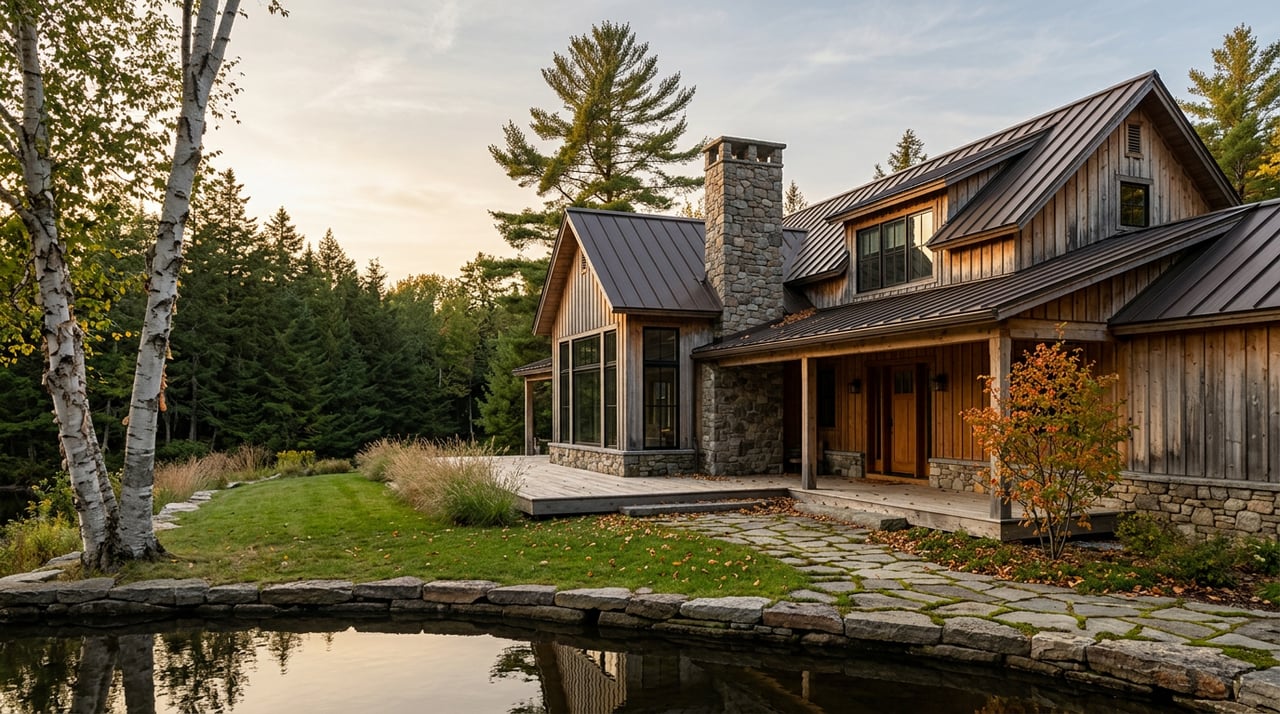
Seasonal cabins have long been part of the landscape in Michigan’s Upper Peninsula. These camps provided relief and respite from the fast pace of the world, but recently, buyers have been turning camps and vacation properties into full-time homes.
The availability of remote work and strong internet in rural areas, along with the affordability of these properties, is driving this trend. If you’re considering converting a cabin to a full-time residence, here’s what you need to know.
Seasonal cabins are usually located in the woods, not crowded suburbs. Being out here gives you a slower pace of life compared to the hustle and bustle of urban downtowns or crowded suburbs. In the woods of the U.P., there’s room to breathe.
Seasonal cabins are often close to trails, lakes, and the abundance of outdoor recreation that the U.P is famous for.
Seasonal properties are often priced lower than homes ready for year-round living. This gives buyers with lower price points the opportunity to invest in a property with long-term value. If you’re willing to invest in a little elbow grease, a seasonal property can be turned into a cozy home.
As more people gain the ability to work from home, having a home somewhere quiet and beautiful becomes more appealing. When you don’t need to live where you work, you can build a career from anywhere you want, like in a lakefront cabin.
Many camps and cabins were built for summer use only, so they’re not necessarily well-equipped for year-round living.
Common limitations of seasonal homes include:
It is possible to update a seasonal cabin to a year-round home, but the renovation expense should be factored into your budget when you’re looking for homes.
To transform a seasonal cabin to year-round home, you’ll likely need to update a few systems.
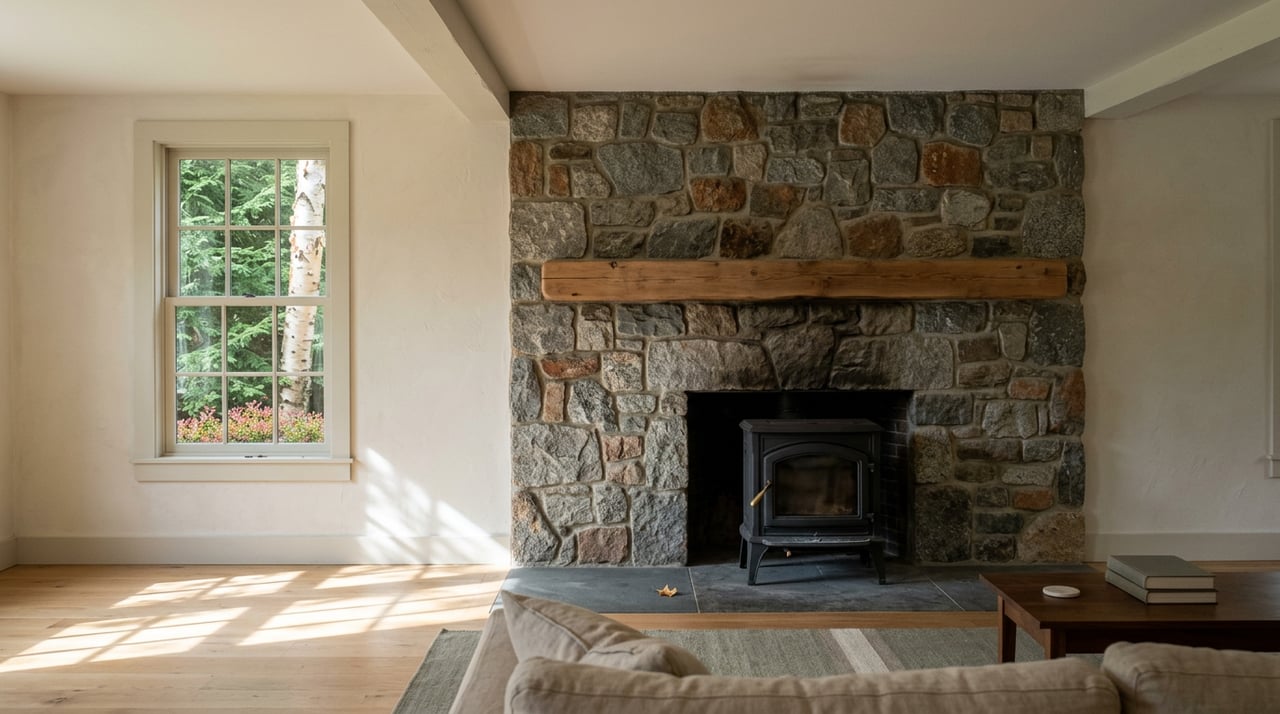
Many seasonal homes have limited heating systems. They may have a wood stove or electric heat on a wall, versus a full HVAC system. If you’re converting a property, make sure you’re comfortable with the limitations and needs of a heating system to keep you warm in Michigan’s long winters. You can certainly keep a home warm with a wood stove, but it’s more effort than electric or propane heating.
Is your water and plumbing freeze-proof? The cold winter temperatures of the U.P. can be hard on a water system, particularly one that was only built to function in warm weather. These systems may need to be protected or insulated for colder weather. If you’re on a personal septic or well system, these may also need improvements to function during the long U.P. winter.
Many people choose seasonal properties to get away from the hustle and bustle of real life, but if you’re living there year-round, you need to be able to connect to wifi, the internet, and the rest of the world. A seasonal property may need internet upgrades to be strong enough to work off of. If broadband internet isn’t available, consider satellite.
It’s important to familiarize yourself with local regulations around seasonal properties, the zoning restrictions on use, and potential construction permitting limitations. When you work with a local real estate agent, you benefit from our expertise and deep knowledge of the area.
Erin Wasik has been working in the U.P. for years, and our agents are intimately familiar with local requirements in towns including:
Upgrades can transform a seasonal cabin into a cozy year-round home.
Common upgrades include:
Some of these renovations are easy to do yourself, while others require the assistance of trained professionals.
With a little love, vision, and time, seasonal cabins can become warm, welcoming long-term homes. At Team Erin Wasik, we’re seeing a strong demand for outdoor-focused properties across the U.P., as more people seek the revitalization that being in the forest brings.
If you’re ready to see what life could look like in a cabin in the woods, the U.P. is the perfect place to search. Michigan’s Upper Peninsula is home to many unique cabins with character and charm that could easily appreciate in the years to come.
Buying a seasonal property with a vision for full-time living requires specialized knowledge, and working with a Team Erin Wasik agent ensures you can find the house of your dreams, with the ability to make the changes you want.
Team Erin Wasik provides:
Serving buyers in:
Team Erin Wasik is a team of realtors in Marquette, MI, serving the Upper Peninsula. We know this area because we love this area; we live and enjoy the same small towns we sell in, which gives us unparalleled insights into buying and living here. Our client-focused approach means Erin and Jen work together with every client, so you benefit from the combined power of the best real estate agents in Michigan.
Can a seasonal cabin become a year-round home?
Yes, but making it habitable for year-round may require upgrades to heating, insulation, and utilities.
Are seasonal properties cheaper than traditional homes?
Often they are, which makes them appealing to buyers willing to renovate and see what could be.
Is internet available in rural Upper Peninsula cabins?
Yes. Availability varies, but many areas now offer broadband or satellite options.
Do zoning rules affect seasonal homes?
It can. Some municipalities have regulations regarding occupancy and property upgrades. A local real estate agent can help you navigate this.
Team Erin Wasik helps buyers explore seasonal properties across the Upper Peninsula and understand what it takes to make them livable year-round. If you’re considering buying a cabin, camp, or rural home in Marquette, Negaunee, Gwinn, Ishpeming, or Chocolay Township, our team is here to guide you every step of the way.

Whether you're buying, selling, or investing, Team Erin Wasik provides personalized guidance backed by local expertise and modern marketing. We take a strategic, client-first approach to ensure every decision supports your long-term goals. Let's create a successful real estate experience together.

2854 Venture Dr, Marquette, MI 49855